Khalsa 1699: Final Phase of Socio-Political Revolution Started by Guru Nanak Sahib
ਪ੍ਰਗਟਿਓ ਖ਼ਾਲਸਾ ਪ੍ਰਮਾਤਮ ਕੀ ਮੌਜ ॥
Khalsa Emerged by the Will of The Supreme Being
(Sarabloh Granth)
==========================
Part 1: The Nash Doctrine (ਨਾਸ਼ ਸਿਧਾਂਤ) was a Complete Break, especially from Brahmanic Hinduism, and any other religious background.
Sikh teachings are evergreen, universal and for the world. However, the path of Sikhi followed by the Sikh Panth, which evolved into the corporate entity, the Khalsa Panth by Vaisakhi 1699, is narrow and for the few.
For that reason, Khalsa is not concerned with the numbers game. Quality of Khalsa-living matters more than numbers about which some Sikh leaders are so concerned. Not more children but more quality Sikhs who live truly committed Sikhi lives, is the need.
Sikhi demands a mar-jeevra (living-martyr) life with a complete break from earlier life. The first Panj Pyaray gave their heads to the Guru and gave up their previous lives for new Khalsa living. The Sikhi Nash Doctrine demands that change.
Nash in Panjabi means complete destruction. In the sense used by Guru Gobind Singh ji in 1699, it means total rejection of, or freedom from, five components of the Nash Doctrine. That involves 5 rejections that destroy old traditions, superstitions, lineages, and actions, replacing them with a new life focused on the Creator.
Khalsa must give up previous religion (Dharam Nash). That means renouncing previous religious creeds, rites, and scriptures to follow the Sikh ideology. Karam Nash is freeing oneself from past actions. It is ending reliance on rituals and superstitious karmic systems, replacing them with the Grace of the Guru. Bharam Nash is freedom from superstition. No more belief in rituals and pilgrimages. Idol worship is rejected. Kul Nash is breaking with past family lineage or caste distinctions in order to join the family of the Guru while adopting the name Singh for men and Kaur for women. Krit Nash frees one from past family professions and attached societal stigma.
The Nash Doctrine established a distinct identity for the Khalsa, free from the caste system and rituals of traditional Indian society. It was a psychological and spiritual transformation, allowing people to rise above caste and creed differences. (In the above I have relied heavily on Sikh Research Institute (US) interpretations.)
Amritdhari Khalsa is reminded of the Nash doctrine during the Amrit Sanskar initiation. It is a foundational Sikh principle requiring a complete break from past religious, social, and caste-based identities to create a sovereign Khalsa identity.
From the outset of his revolutionary mission, Guru Nanak Sahib rejected the jeneu as a symbol of Brahmanic caste system which allowed Brahmanic top position in society. The Manuwadic Varna-Ashram caste system had divided human beings from birth into permanent high, low and untouchable groups with the Brahmin on the top of the social hierarchy. That was rejected at the outset of Khalsa revolution. Through the Nash Doctrine, Guru Gobind Singh Ji united human society as equals. The doctrine turned passive masses into active, warrior-scholars (Saint-Soldiers), empowering the lowliest of the low. The Khalsa became an independent theo-political entity ready to face Brahmanical or Mughal domination
Much concern is expressed about the state of the Panth today. The Nash Doctrine reminds us that we continue to follow Bipran ki reet and have moved away from the clear guidance given by the Guru on the Vaisakhi Day 1699.
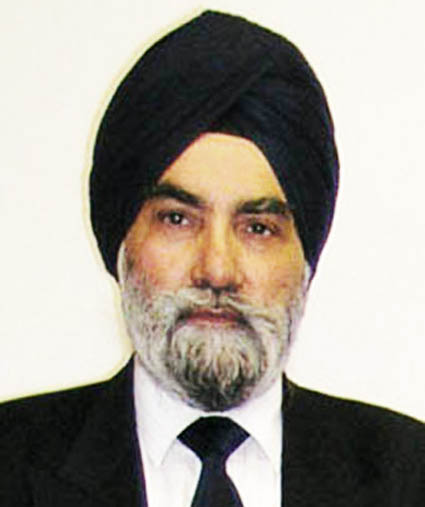
Gurmukh Singh OBE
E-mail: sewauk2005@yahoo.co.uk
https://www.sikhiwiki.org/index.php/Gurmukh_Singh_OBE