Qualities of True Sikh Nation-Builders (ਸਿੱਖ ਕੌਮ ਦੇ ਅਸਲ ਉਸਰਈਏ)
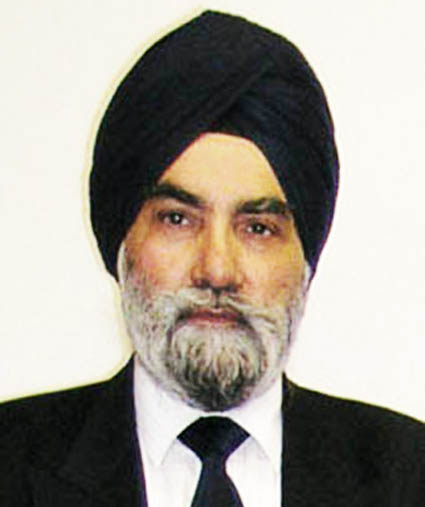
Due to the state of the Panth in Panjab today, Sikhs are looking for good leaders. That is because the lessons from Khalsa tradition and history are ignored. The qualities necessary in Sikh nation builders are different from those found in ego-centric individuals who put personal ambitions before Panth.
Collective leadership was the Message of Guru Gobind Singh Ji when He bowed to the Panj Piaray, the representatives of the Khalsa Panth. The message needs continual repetition. Otherwise, the symptoms of the chronic disease of ego-centricity (ਹਉਮੈ ਦੀਰਘ ਰੋਗੁ ਹੈ) can be quite unsightly.
During the Coronation of King Charles III we were reminded that the duty of a ruler is not to be served but to serve. This message resonates with Sikhi-based leadership ideal. However, Sikhi accepts collective leadership only, which pools diverse skills and promotes the desire to serve. Human urge to promote self-interest and the desire to be surrounded by sycophants is kept in check by Sikhi humility. Succession planning is built into the Sikhi process as collective lead continues. That was true of the Khalsa of the 18th century who defeated Mughal might and tyranny.
We read about those great but humble Sikhs in Guru and Khalsa history serving the mission of the Guru Jote. There were many role- sevadar-mentors with diverse skills like Baba Budha, Bhai Gurdas, Bhai Mani Singh, Bhai Nand Lal, Baba Banda Singh Bahadur, Baba Deep Singh, Nawab Kapur Singh and so on. They inspired and guided and, most importantly, served, the Panth of the Guru in their own ways. In case of Nawab Kapur Singh, otherwise a humble Panthic sewadar, he was invited to provide guidance and strategy for the Khalsa Panth during a most critical period. He empowered many others to lead the Misls to eventually establish Khalsa Raj.
In contrast are those who frustrate Sikh qaumi objectives, recognition and rights as a distinct community. Their sole aim is to secure personal and family positions. In Panjab, late S. Parkash Singh Badal was described as the grand old banyan tree - ਬਾਬਾ ਬੋਹੜ - of Panjab politics. He became Chief Minister of Panjab 5 times since 1970. Regrettably, he played a key role in Panjab politics and Panthic affairs only to promote own family interests. He has not been judged kindly due to the state of Panjab politics, economy and Panth today.
There will always be self-promoting individuals who do not believe in collective approach. They use every stratagem to try and present themselves as the sole representatives of the community. Sometimes they succeed in achieving personal ambitions but at great longer-term cost to community progress and unity and, at the expense of smooth succession planning and next generation participation.
However, despite all the negativity today, there are indications that, behind the scenes, the Khalsa tradition of nishkam seva continues in the Sikh world through jathebandis, Sikh charities, community thinkers and mentors. Next generation Gurbani-centric Sikh scholars and sevadars, inspired by sovereign egalitarian Sikh ideology and tradition, remain active. There are hundreds of activists in different fields.
A Sikh, no matter how skilful at securing own position and claim to community lead, will be eventually judged by history under the collective achievement of the global Khalsa Panth. That judgement can be harsh for gatekeepers who block progress and smooth succession.
The desire to serve the community in humility comes when the desire for fame departs!
Gurmukh Singh OBE
E-mail: sewauk2005@yahoo.co.uk
https://www.sikhiwiki.org/index.php/Gurmukh_Singh_OBE