Life in UK 1960 to 2026: Impressions of A Sikh Identity Immigrant
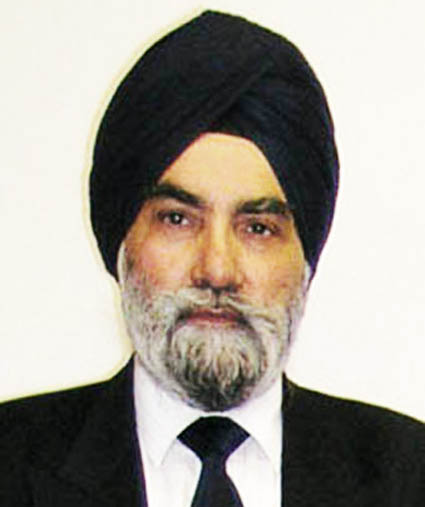
I still have the fauji bistra, military-style bedroll, which I carried on my back from P & O Strathmore, docked at Tilbury (London), to the car of a close relative. That was in August 1960. I came to work and study in UK from Malaysia, the country where the family lived. That was the aim. However, Man proposes, God disposes! Or, ਮਤਾ ਕਰੈ ਪਛਮ ਕੈ ਤਾਈ ਪੂਰਬ ਹੀ ਲੈ ਜਾਤ॥ (Man decides to go west, but the Lord leads him to the east. SGGS Ang 496.)
That is another story.
Our topic this week is to note some random impressions about the state of United Kingdom as seen through the lens of an identity Sikh immigrant who has lived and worked in the UK for 67 years. Personal experiences are only given as examples. (Otherwise, from Pind da tobha (village pond) to Lake Geneva, is another story!)
Regardless of immigrant or indigenous background, the main change over the years has been the shift from living to work hard to make ends meet, to working to live a carefree life which gives priority to personal choices and well-being. Of course, as a very visible and rare identity Sikh those days, with ambition but no resources, I faced an uphill struggle in a rather hostile race relations UK environment. Colour prejudice was open and legal! People could be turned away from pubs and restaurants. Most Sikhs cut their hair before coming to the UK, or did that immediately in the back-garden on arriving before going out to be able to get a job, almost any job offered.
For over three weeks, I walked around Slough trading estate and surrounding areas seeking employment with no success. At one factory entrance at Langley, the gatekeeper, shook his head, waved his hands and, mimicking Indian accent, said: For you, no job. Go back! Those were certainly not the good old days!
In the early days people sought a career-for-life and stability. Workers valued job security above all. That meant hard work and loyalty to impress the employer and gain promotions. This was especially true of public sectors like local and national government, and defence services. There were entry points at the bottom of each class. For example, one joined the civil service at clerical, executive and policy classes at the entry points. One was then expected to progress upwards through the grades until retirement. Public servants and private sector employees at all levels took pride and earned respect for their work-dedication and professionalism. Older generations defined strong work ethic through traditional values like in-person reliability, loyalty and resilience.
That is no longer the case and workers at all levels are expected to move from one job/employer to another to improve career and income prospects. That change over the years has major long-term consequences, not all positive. In fact, some changes in attitude and behaviour are quite disastrous even though, some would argue that technology has improved the quality of life!
Responsibility has become like a football to be kicked from one to another. Time and again, reports of public enquiries show that there is a culture of blame-game at all levels. Governments continue to blame earlier administrations for current failures.
There is a move away from self-reliance and responsibility for self and own family care and well-being, to dependence on the state.
(This personal experience-based topic will be touched from time to time in future columns.)
Gurmukh Singh OBE
E-mail: sewauk2005@yahoo.co.uk
https://www.sikhiwiki.org/index.php/Gurmukh_Singh_OBE